
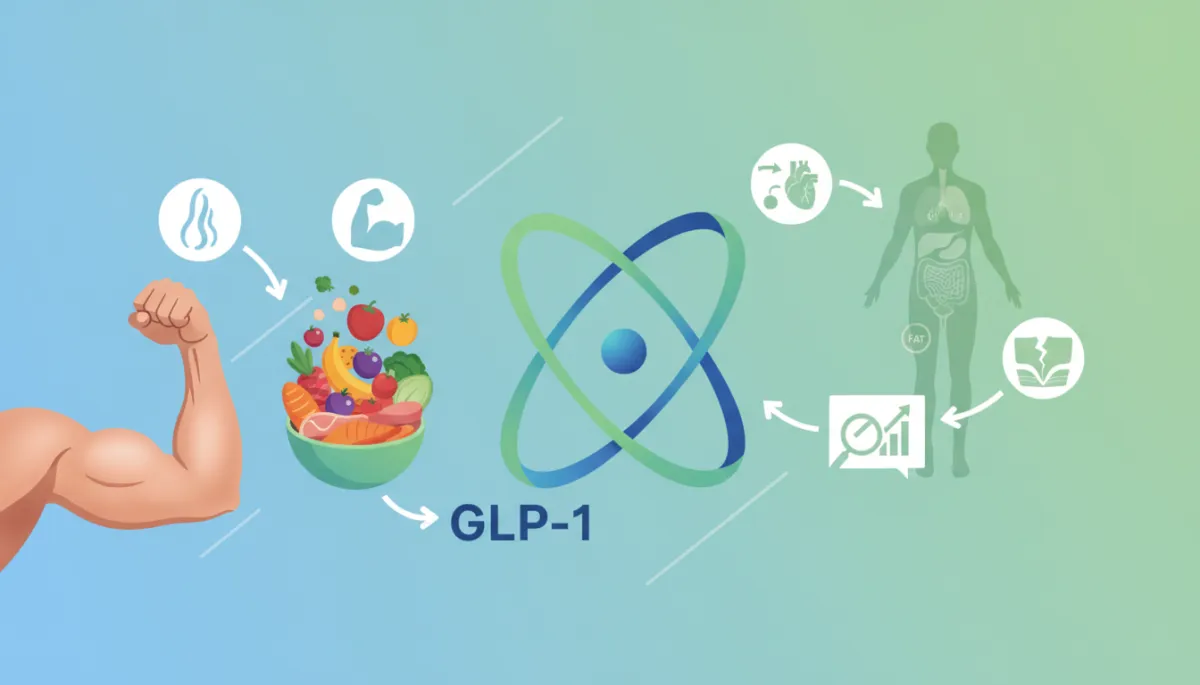
GLP-1 Medications: Benefits, Considerations, and Medical Supervision | AdoreU
Wellness, GLP-1 Medications, Metabolic Health
GLP-1 Medications: The Good, The Bad, and The Great
GLP-1 medications have changed the conversation around weight, blood sugar, and long-term health. At AdoreU, we see them not as magic fixes, but as powerful tools that, when paired with the right strategy, can help you feel more vibrant, confident, and wholly yourself—inside and out.
How GLP-1 Medications Work: More Than Just Appetite Control
GLP-1 (glucagon-like peptide-1) is a hormone your body naturally produces in the gut. Medications like semaglutide and tirzepatide mimic or enhance this hormone’s action. They:
Help the pancreas release more insulin when blood sugar is high and reduce glucagon, improving glucose control
Slow how quickly food leaves the stomach, leading to earlier and longer feelings of fullness
Act on appetite centers in the brain to reduce cravings and overall intake
Large trials up to 2026 show meaningful weight loss and better blood sugar control, with some agents also lowering cardiovascular risk (NEJM, Nature Medicine). In other words, the “good” is very real—especially for people living with obesity, insulin resistance, or type 2 diabetes.
Why Individual Responses Vary So Much
You may know someone who lost 20% of their body weight on a GLP-1—and someone else who barely moved the scale. That’s not a failure; it’s biology. Response can differ because of:
Genetics and metabolic phenotype: Emerging research suggests different “metabolic types” respond better to certain incretin-based drugs than others (Nature, 2026).
Starting health status: Insulin resistance, gut health, sleep, stress, and medications all influence results.
Behavioral patterns: Nutrition, movement, alcohol, and emotional eating habits can amplify or blunt the medication’s impact.
💡 At AdoreU: We focus on your unique story—labs, lifestyle, history, and goals—so GLP-1 therapy is tailored, not generic.
The Importance of Strategy: GLP-1s Are a Tool, Not a Magic Wand
Without a plan, GLP-1 therapy can feel like a roller coaster: fast weight loss, side effects, and eventual regain once the medication stops. With a strategy, it becomes a structured, empowering phase of your wellness journey. That strategy should include:
Thoughtful dose titration to minimize nausea and GI upset
Clear targets for body weight, body composition, and metabolic markers
A plan for maintenance, dose reduction, or transition to other tools (including lifestyle and, when appropriate, other medications)
The Good: Potential Benefits When Used Correctly
When GLP-1 medications are combined with nutrition, movement, and monitoring, they can create not just “less weight,” but better health. Research through 2026 shows:
Sustained fat loss: Meta-analyses indicate these drugs preferentially reduce fat mass while relatively preserving lean mass (International Journal of Obesity, 2026).
Improved metabolic health: Better blood sugar, lower blood pressure, and reduced cardiovascular risk have been documented in major trials (NEJM, Nature Medicine).
Less joint strain and better mobility: Losing 10–15% of body weight can ease osteoarthritis and sleep apnea risk, improving daily comfort and energy.
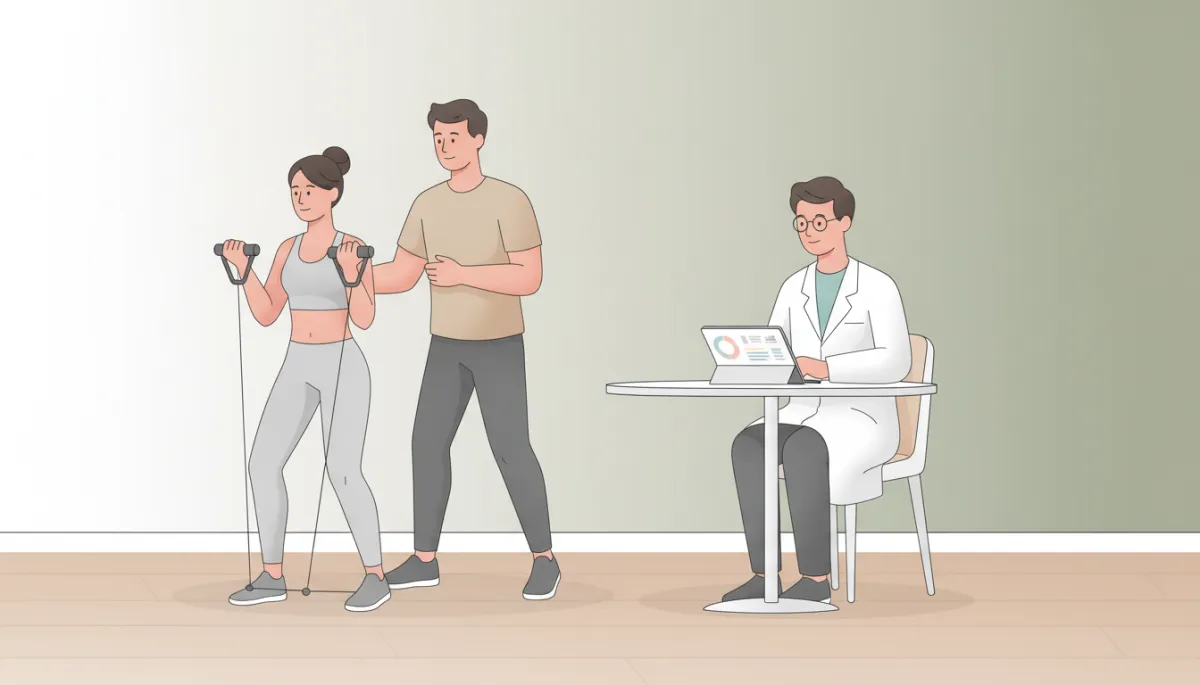
Pairing GLP-1 therapy with strength training helps shift loss toward fat, not muscle.
The Bad: Risks of Rapid Weight Loss You Shouldn’t Ignore
Rapid weight loss—whether from surgery, extreme dieting, or GLP-1 medications—can carry downsides, especially if you’re not eating enough or moving your body. These can include:
Muscle loss: Some reports suggest up to half of weight lost can be lean mass without resistance training and adequate protein. Less muscle can mean lower strength, slower metabolism, and higher risk of falls and bone issues over time.
Hair loss: Sudden calorie drops, nutrient gaps, and stress on the body can trigger temporary shedding (telogen effluvium). This is common in rapid weight-loss states, not unique to GLP-1s, but still distressing if you’re not prepared.
Skin laxity: When weight comes off quickly, skin and connective tissue may not have time to adapt, leading to sagging or loose skin in areas like the abdomen, arms, and thighs.
GLP-1s can also cause gastrointestinal upset, gallbladder issues, and, in some studies, increased risks of certain musculoskeletal and psychiatric concerns. This is why ongoing medical supervision is essential—not to scare you, but to keep you safe and informed.
The Great: A Comprehensive Approach That Protects Your Muscle, Mind, and Metabolism
The “great” happens when GLP-1 therapy is just one part of a whole-person plan. At AdoreU, we emphasize three pillars alongside your prescription:
1. Proper Nutrition: Enough, Not Just Less
Because GLP-1s lower appetite, it’s easy to under-eat—especially protein and key micronutrients. A supportive nutrition plan should focus on:
Adequate daily protein to protect muscle and hair health
Fiber-rich vegetables, whole grains, and healthy fats for gut and heart health
A realistic calorie range that supports fat loss without starving your body
2. Resistance Training: Your Built-In Metabolic Insurance
Strength work—whether with bands, dumbbells, machines, or bodyweight—is non-negotiable if you want to keep your metabolism and your shape. Even two to three sessions per week can:
Preserve or build lean muscle while the medication helps reduce fat
Support bone health, which is especially important as some studies suggest higher risks of osteoporosis with GLP-1 use
Improve posture, confidence, and daily function as your body changes
3. Medical Monitoring: Compassionate, Data-Informed Care
Regular check-ins allow your care team to track more than just the scale. Monitoring may include:
Blood sugar, cholesterol, liver and kidney function, and vitamin levels
Blood pressure, heart rate, and mental health symptoms like anxiety or low mood
Body composition when possible, so we can see how much of your loss is fat versus muscle
📌 Key Takeaway: GLP-1 therapy works best when your medication, meals, movement, and monitoring all support each other—not when the injection or pill is doing all the work alone.
GLP-1 Therapy as a Tool: Your Active Role Matters Most
Studies show that when GLP-1 medications are stopped, many people regain weight over the next one to two years. This doesn’t mean you “failed”—it means the tool is no longer in place and old patterns often return. Long-term success comes from what you build while the medication is helping:
New eating habits that feel sustainable and satisfying
A movement routine you can maintain even on busy or low-energy days
Emotional tools for stress, comfort eating, and body-image shifts
GLP-1s open a window of opportunity. Your active participation—supported, not judged—is what turns that window into lasting change.
Key Strategies for Sustainable Results with GLP-1s
Start slow, go steady: Work with your clinician to increase doses gradually and adjust if side effects appear, instead of chasing the fastest weight loss.
Prioritize protein and strength: Aim for protein at each meal and at least two weekly resistance sessions to protect muscle and support skin, hair, and bone health.
Track more than weight: Notice energy, sleep, digestion, mood, and lab markers. These are powerful indicators of true metabolic healing.
Plan for “after” from the beginning: Discuss with your provider whether GLP-1s are short-term, long-term, or something in between, and what maintenance might look like (reduced dosing, lifestyle focus, or other therapies).
Stay emotionally supported: Body changes can bring up big feelings. Coaching, therapy, or group support can make the journey feel safer and more grounded.
Walking Your GLP-1 Journey with Compassionate Support
GLP-1 medications can be good, bad, and truly great—often all at once. The difference lies in how they are used, and how well you are supported along the way. At AdoreU, we don’t just prescribe; we partner with you. Our goal is to help you protect your muscle, nourish your body, care for your mind, and create results that last long after the scale stops moving.
If you’re curious whether GLP-1 therapy fits into your wellness story, we would be honored to guide you. Together, we can design a plan that feels safe, strategic, and deeply supportive of the person you’re becoming.
💬 Ready to explore your options? Book an appointment or consultation with AdoreU to discuss a personalized GLP-1 strategy that honors your body, your goals, and your long-term wellbeing.