

Building Muscle for Longevity: The Foundation of Performance Aging | AdoreU
Build Muscle. Build Longevity: Why Strength Is the Foundation of Performance Aging
There is a quiet shift happening in health and wellness.
The conversation is no longer about shrinking, restricting, or reversing time.
It’s about building.
Building muscle.
Building resilience.
Building metabolic stability.
Building decades of independence.
Longevity is not accidental. It is strategic.
And muscle is one of the most underappreciated assets in that strategy.

For years, muscle was marketed as cosmetic. Something reserved for athletes or bodybuilders.
But clinically and metabolically, muscle is far more significant.
Skeletal muscle plays a role in:
Glucose regulation
Insulin sensitivity
Resting metabolic rate
Hormonal balance
Physical stability and fall prevention
Functional independence later in life
After the age of 30, adults naturally begin to lose muscle mass if it is not intentionally maintained. This gradual decline, known as sarcopenia, can influence metabolism, strength, and resilience over time.
The solution is not extreme dieting.
The solution is strategic strength preservation.

Your metabolism is not simply about calories.
It is about efficiency.
Muscle tissue is metabolically active. The more lean mass you preserve, the more efficiently your body can utilize nutrients and maintain energy balance.
When muscle mass declines:
Energy expenditure shifts
Insulin sensitivity may change
Fat storage patterns can evolve
Recovery may slow
Building muscle supports metabolic flexibility — your body’s ability to use different fuel sources efficiently.
Longevity requires metabolic resilience.
And metabolic resilience requires muscle.

Hormones and muscle have a bidirectional relationship.
Testosterone, growth hormone, and insulin-like growth factors all influence muscle development and preservation. At the same time, maintaining muscle mass supports hormonal stability.
In both men and women, shifts in hormone levels over time can influence:
Energy
Recovery
Motivation
Body composition
Sleep quality
This is not about fear.
It is about awareness.
Assessment provides clarity. Clarity allows strategy.
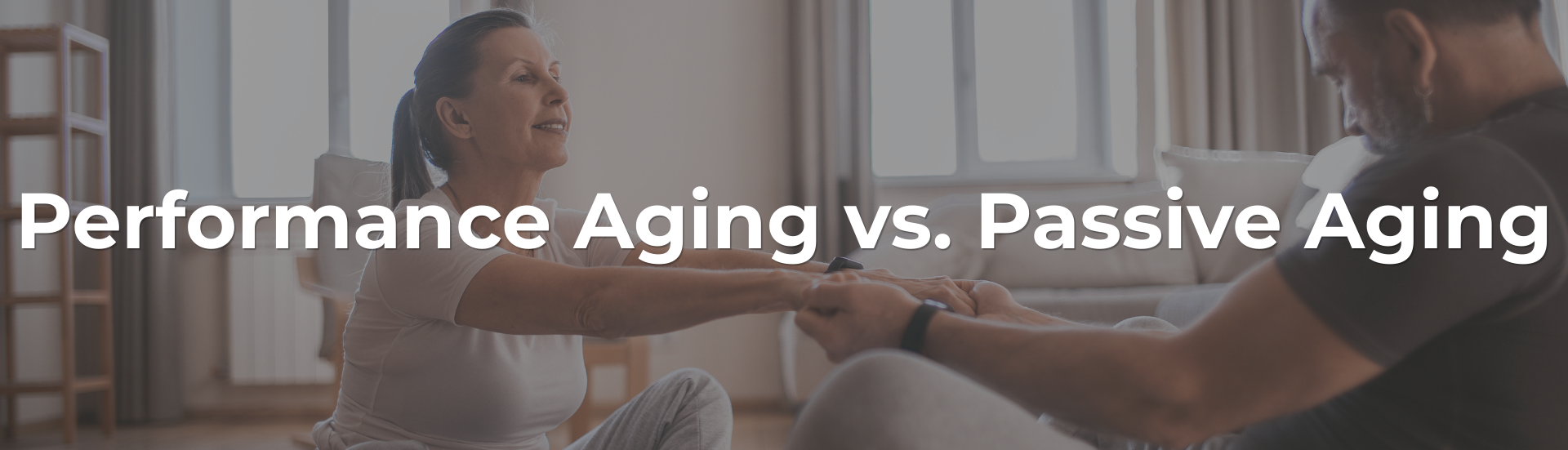
There are two approaches to aging:
Passive aging waits for symptoms.
Performance aging builds capacity before decline.
Performance aging prioritizes:
Strength training
Sleep optimization
Hormone evaluation when appropriate
Metabolic assessments
Preventative strategies
It is proactive. It is measured. It is intentional.
The goal is not to chase youth.
The goal is to extend vitality.

Muscle is not vanity.
It is mobility at 70.
It is balance at 75.
It is autonomy at 80.
Strength supports daily tasks, posture, bone density, and fall resistance. It contributes to quality of life in ways that are often overlooked until they are compromised.
When we say “Build Muscle. Build Longevity,” it is not a slogan.
It is a strategy.

The first step is not intensity.
It is evaluation.
Understanding your baseline — including muscle mass, metabolic markers, sleep patterns, and hormonal health — allows for informed decisions.
From there, a personalized approach can be developed.
Longevity is built through consistency, not extremes.
And it begins with strength.
If you are ready to explore your metabolic and performance baseline, we invite you to schedule a professional consultation.
Individualized assessment is essential before beginning any medical or aesthetic treatment plan.
Your strongest decade may still be ahead.